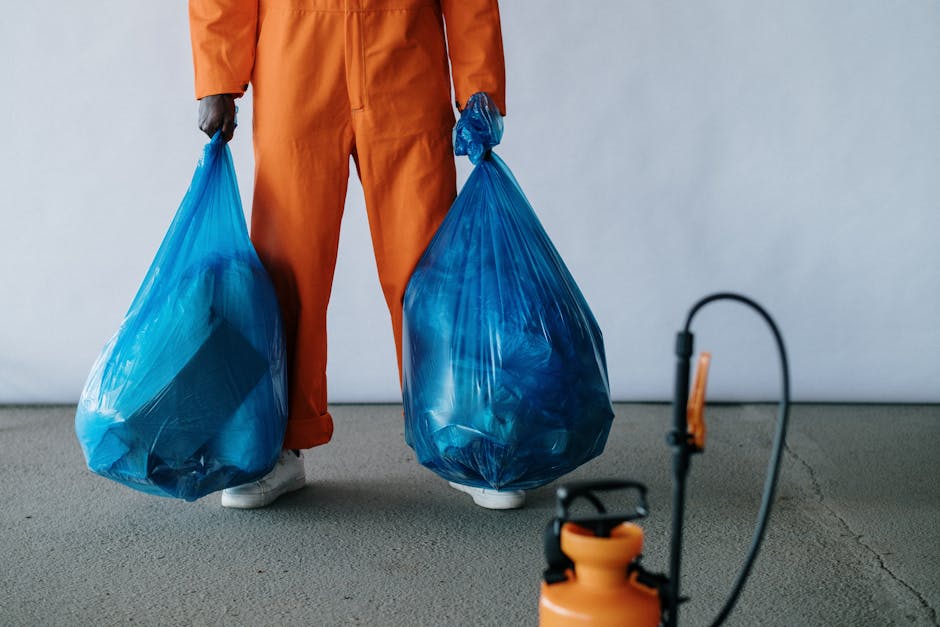
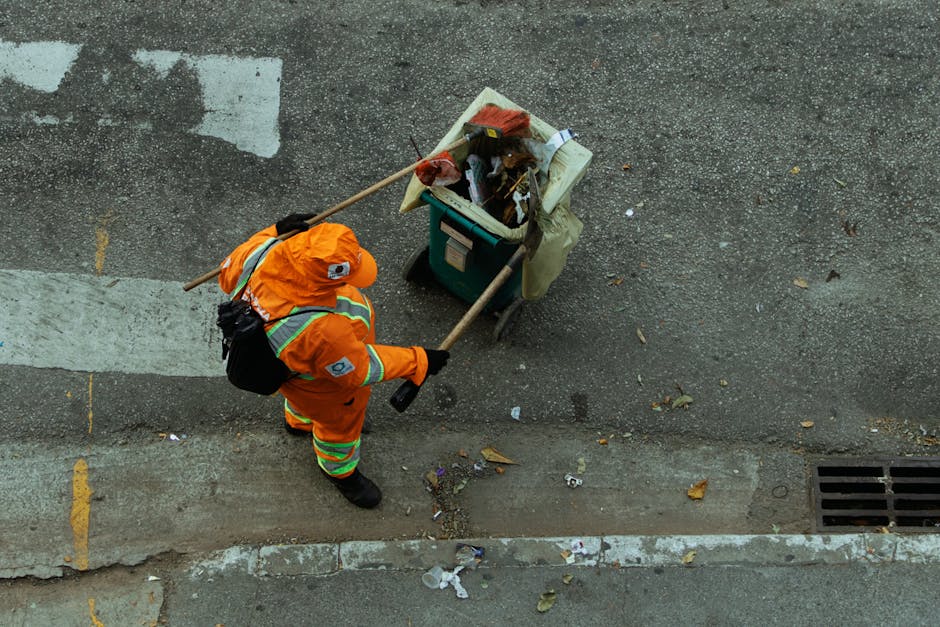
Hazardous waste disposal laws for Putney cleaners
If you clean homes, offices, flats, or post-renovation spaces in Putney, hazardous waste is one of those topics you cannot really wing. A half-empty bleach bottle, solvent-soaked cloth, pesticide residue, broken fluorescent tube, or a container with unknown chemicals can all change how waste must be handled. The rules are not there to make life awkward; they exist because a small mistake can harm people, damage the environment, or land a cleaner in trouble.
This guide breaks down the practical side of hazardous waste disposal laws for Putney cleaners in plain English. You will find what counts as hazardous waste, how UK compliance usually works, which jobs create the most risk, and what a sensible, day-to-day process looks like on site. We will also cover mistakes to avoid, a realistic checklist, and the kind of common sense that saves a lot of stress later. Truth be told, this is one of those topics where being organised is far more valuable than being clever.
Table of Contents
- Why hazardous waste disposal laws matter
- How the disposal process works
- Key benefits and practical advantages
- Who this is for and when it makes sense
- Step-by-step guidance
- Expert tips for better results
- Common mistakes to avoid
- Tools, resources and recommendations
- Law, compliance, standards and best practice
- Options, methods and comparison table
- Case study or real-world example
- Practical checklist
- Conclusion
- Frequently asked questions
Why Hazardous waste disposal laws for Putney cleaners Matters
Putney cleaners deal with a wide mix of properties, from family homes to rental flats, offices, and busy shared spaces. That variety matters because different jobs create different waste streams. A routine domestic clean might involve little more than empty bottles and worn cloths, while an end-of-tenancy clean can uncover old cleaning chemicals, batteries, mould-killing products, or broken glass. After-builders work can bring in dust contaminated with residues, adhesive tubs, sealants, and paint-related waste. See how quickly a simple clean can become a compliance issue?
Hazardous waste is not just "messy waste". In UK practice, it usually means waste that can cause harm because it is toxic, corrosive, flammable, reactive, infectious, or otherwise dangerous. For cleaners, the big risk is often not dramatic industrial waste. It is the everyday items that get overlooked: aerosol cans, solvent-based products, descalers, oven cleaners, drainage products, pesticide containers, and anything with an unknown label. If a cleaner tosses these in the wrong bin, the problem can spread beyond the job itself.
There is also a trust angle. Clients expect professional cleaners to protect staff, occupants, and the property. Landlords, managing agents, and commercial clients often look closely at health and safety discipline. If your handling of waste feels sloppy, it can undermine the whole service. That is why businesses often pair waste procedures with a broader safety framework, such as their health and safety policy and recycling and sustainability approach. It all hangs together.
Key point: hazardous waste disposal is not a side issue. For cleaners, it is part of basic professionalism, risk control, and legal care.
How Hazardous waste disposal laws for Putney cleaners Works
The basic logic is simple, even if the legal detail can get a bit fiddly. First, you identify whether the item or residue is hazardous. Then you separate it from general waste. After that, you store, label, transport, and dispose of it using the right route. In practice, that usually means using internal procedures, approved waste services, and proper records rather than treating everything as ordinary rubbish. Nice and boring. Which is exactly what you want.
For Putney cleaning teams, the process usually starts on site. A cleaner notices a product with a warning label, or a suspicious container left in a cupboard, or a broken light fitting after a deep clean. That item should not be mixed with paper towels, general refuse, or food waste. It should be placed in the correct container, kept secure, and treated according to the company's waste procedure. If the waste has come from a commercial site or a larger clear-out, the cleaner may also need to note what it is and where it was found.
In a real-world flow, the steps are usually these:
- Identify the item or residue.
- Check the label, safety data, or job notes if available.
- Separate it from non-hazardous waste immediately.
- Contain it safely so it cannot leak, shatter, or react.
- Record the item if your process requires it.
- Arrange disposal through the proper route.
That route will depend on the waste type. Some items are handled through specialist collection systems. Others may need segregation for later pickup. A few low-risk items may be accepted only if they are fully empty and no longer hazardous, but that depends on the product and the circumstances. The cautious approach is to assume nothing until you have checked. Better to pause for ten minutes than to create a bigger headache later.
For cleaners who work across different service types, the risk profile changes from job to job. For example, deep cleaning can uncover old household chemicals, while after builders cleaning may involve dust, residues, and leftover materials that need more careful sorting. A house clearance can be even trickier, because you never quite know what will turn up at the back of a cupboard. That unpredictability is where good systems earn their keep.
Key Benefits and Practical Advantages
Getting hazardous waste handling right is not just about avoiding a legal problem. It makes the whole business smoother. Staff waste less time wondering what to do, jobs finish with fewer surprises, and clients get a cleaner, safer result. There is something reassuring about watching a team work methodically; it tells people the business knows what it is doing.
- Lower safety risk: fewer accidental exposures, spills, and cuts.
- Better compliance: cleaner records and stronger due diligence.
- Improved reputation: clients notice careful habits, even if they do not mention them directly.
- Less disruption: waste is sorted properly the first time instead of being reworked later.
- Stronger staff confidence: people work better when procedures are clear.
There is also a commercial advantage that often gets missed. A cleaner who can explain waste handling calmly and sensibly feels more credible to landlords, facilities managers, and homeowners alike. If you are quoting for commercial cleaning or office cleaning, that kind of reassurance can be part of why the client chooses you. Not because they want a lecture. Because they want to know the job is in safe hands.
And let's not forget the environmental piece. Proper segregation makes recycling easier where materials are suitable, reduces contamination, and prevents hazardous substances from entering the wrong disposal stream. If your business already talks about sustainability, hazardous waste control gives that message some real substance, not just nice wording on a page.
Who This Is For and When It Makes Sense
This topic matters to any cleaner who may come across chemical products, contaminated materials, or waste with unclear origins. That includes sole traders, small local teams, and larger operators. If you clean regularly in domestic homes, shared hallways, short-let properties, or commercial premises, you will eventually meet something that needs special handling. Probably more than once.
It is especially relevant for cleaners who work in:
- rental properties and move-out jobs
- post-refurbishment or post-construction environments
- offices and communal buildings
- homes with stored chemicals or old appliances
- properties with mould treatment products, pest control residue, or damaged light fittings
It also makes sense for supervisors and business owners who need to write procedures, train staff, or reduce liability. If you already run domestic cleaning or regular cleaning, you may think hazardous waste is rare. In practice, it tends to show up in small doses, then suddenly all at once on the one day you are rushing. Funny how that happens.
The broader the service mix, the more important the rules become. A cleaner who also handles oven cleaning, carpet cleaning, or upholstery cleaning may deal with residues, stain removers, aerosols, or strongly labelled products. These are not complicated risks, but they do need thought. When the process is clear, the work feels calmer. And calmer usually means safer.
Step-by-Step Guidance
If you want a practical system that staff can actually follow, keep it simple and repeatable. Overcomplicated procedures tend to get ignored the moment the day gets busy.
1. Identify the waste first
Look for warning symbols, product names, unknown liquids, broken containers, and anything with a strong chemical smell. If the item cannot be confidently identified, treat it cautiously. Do not pour it away because "it looks fine". That's how trouble starts.
2. Separate it immediately
Keep hazardous items away from general waste, recyclables, and food waste. Use a dedicated container or agreed holding area. If there is liquid risk, make sure the container is upright and stable. If there is breakage risk, use a sturdy outer container or secure wrapping.
3. Check the label and notes
Read the product label, any available safety information, and the job instructions. In some cases, the simplest clue is the product name itself. A bathroom descaler and a bleach-based mould product might both seem ordinary, but they can require different handling. You do not need to become a chemist; you just need to slow down enough to spot the difference.
4. Use the right storage method
Store hazardous waste in a cool, secure, well-ventilated place where appropriate, and keep incompatible materials apart. For example, do not mix unknown chemicals together in one tub. That is the kind of shortcut that looks efficient for five minutes and then becomes a mess you can smell from the corridor.
5. Record what you have found
A short internal note can be enough: what it is, where it came from, who found it, and what was done next. Records help with compliance, incident follow-up, and contractor communication. They also protect you if someone later asks, "What happened to that box under the sink?"
6. Arrange disposal properly
Use the business's approved waste route. If you work for a firm, check the company's terms and conditions and insurance and safety information so the responsibility chain is clear. For job-specific issues, speak to the supervisor or the client before moving anything that might be regulated or sensitive.
7. Review what happened afterwards
If a team keeps finding the same kind of waste, that is a signal. Maybe the booking notes need improving. Maybe staff training is thin. Maybe the job scope is wider than first thought. A five-minute review can save you from repeating the same problem for months.
Expert Tips for Better Results
After handling a fair number of cleaning jobs, one thing becomes obvious: the cleaner the system, the fewer surprises. Here are a few practical habits that make a real difference.
- Build a "stop and check" habit. If a container looks odd, pause. A quick pause is cheaper than a disposal mistake.
- Keep a small segregation kit on hand. Dedicated bags, labels, gloves, and a rigid tub can prevent a lot of chaos.
- Train people with examples, not just rules. Photos of common items are easier to remember than abstract instructions.
- Use job notes properly. The note that says "possible chemicals under sink" is much more useful than "take care".
- Match procedures to the service type. A end of tenancy cleaning visit is not the same as a one-off cleaning of a lightly used flat.
One small but useful habit: at the start of a job, ask yourself, "Where is the waste most likely to hide?" It sounds almost too simple. But in kitchens, utility cupboards, utility rooms, and under-sink spaces, that question saves time every week. There is always something under the sink, isn't there?
If you manage teams, keep the language plain. Nobody should need a law degree to know that a leaking solvent bottle goes nowhere near the general bin. Use direct instructions, short examples, and visual reminders. It works better, especially on a hectic Friday afternoon when everyone is tired and the van is already full.
Common Mistakes to Avoid
Most hazardous waste problems are not caused by dramatic recklessness. They come from small shortcuts. That is the annoying part, really.
- Mixing unknown chemicals together: never pour different products into one container.
- Throwing "empty" containers away too quickly: some containers still hold residue, vapour, or contamination.
- Ignoring labels: warning symbols are there for a reason, even if the bottle seems harmless.
- Using general waste for everything: convenient, yes. Correct, no.
- Leaving waste unsecured in vehicles: spillage in a van turns into a route-wide problem.
- Failing to brief staff: people cannot follow a rule they have never heard clearly.
- Assuming a previous occupant already sorted it: in rented properties, that assumption is often optimistic at best.
Another common mistake is treating one type of waste as if all hazardous waste is the same. It is not. A broken fluorescent tube, a can of solvent, and a container of pesticide residue all present different risks. The response should be proportionate, not lazy. That distinction matters.
For businesses offering services like pet stain odour removal or stain removal, product use can become more intense and more varied. The more specialised the treatment, the more important the waste procedure. You do not need to panic. You do need a system.
Tools, Resources and Recommendations
You do not need a warehouse full of kit to manage hazardous waste well. In many cases, a small set of practical tools is enough.
| Tool or resource | What it helps with | Practical note |
|---|---|---|
| Segregated waste containers | Separating hazardous items from general rubbish | Use sturdy, clearly marked containers |
| Labels and marker pens | Identifying contents and dates | Keep wording short and readable |
| Disposable gloves and protective equipment | Reducing direct contact risk | Choose PPE appropriate to the task |
| Incident log or waste note | Recording what was found and what happened next | Useful for staff handovers and audits |
| Internal waste procedure | Helping staff act consistently | Better when written in simple language |
For businesses that want to show a broader commitment, linking waste handling to wider operational standards is sensible. A clearly written recycling and sustainability policy supports the environmental side, while a practical health and safety policy covers day-to-day risk control. If staff are unsure about service expectations, the company's about us page can also help reassure clients that the business is not just talking, but operating with care.
For client-facing follow-up, sometimes the simplest step is to ask for clearer pre-job information. If a property has old chemicals, damaged fittings, or previous pest treatment, tell the cleaning team before arrival. It saves awkwardness on the doorstep and keeps the job moving. A little warning goes a long way.
Law, Compliance, Standards, or Best Practice
It would be misleading to pretend every hazardous waste scenario works the same way. UK waste law, health and safety duties, and workplace procedures interact, and the exact requirements can depend on the waste type, volume, and setting. So the safest plain-English summary is this: hazardous waste should be identified, kept separate, handled safely, and disposed of through the correct route with appropriate records where required.
For cleaners, that usually means following a mix of:
- company waste procedures
- site-specific instructions from the client or manager
- basic workplace health and safety rules
- good segregation and storage practice
- reasonable documentation and handover habits
If a cleaner works in a domestic property, the practical response may be simpler than in a commercial premises. But "simpler" does not mean casual. Unknown chemicals, contaminated sharps, broken light tubes, and similar hazards still need proper care. For more intensive jobs like after builders cleaning or commercial cleaning, a tighter process is usually expected because the risk profile is broader.
Best practice also means knowing when to stop and escalate. If waste is leaking, unlabeled, unusually large, or clearly beyond your normal process, do not improvise. Bring in the right person. That is not weakness; it is professional judgement. And frankly, it is what good cleaners do.
Options, Methods, or Comparison Table
Different waste situations call for different responses. Here is a simple comparison that helps teams decide what sort of action is usually sensible.
| Scenario | Typical approach | Why it matters |
|---|---|---|
| Sealed, labelled cleaning product | Check label, segregate, store safely, dispose via proper route | Reduces mixing and spill risk |
| Unknown liquid in an unlabelled bottle | Treat cautiously, isolate, escalate for advice | Unknowns are the main hazard |
| Broken fluorescent tube | Keep fragments contained, avoid bare-hand contact, arrange proper disposal | Breakage creates both injury and contamination issues |
| Aerosol can with residue | Separate from general waste, do not puncture unless authorised | Pressure and flammability can be risky |
| Contaminated cloths or wipes | Assess the contaminant, bag safely, keep apart from normal waste | Residue can still be harmful |
The best method is usually the boring one: identify, separate, store, record, dispose. It is not glamorous. It works.
Case Study or Real-World Example
Imagine a Putney cleaner arriving at a rental flat for a move-out clean. The place looks tidy enough at first, but under the kitchen sink there is a collection of half-used products: bleach, drain gel, an old oven spray, and a bottle with no label at all. There is also a broken bulb in the utility cupboard. Nothing dramatic. Just the sort of thing you find on a Monday morning when the kettle is still cooling.
A rushed cleaner might bundle everything into one bag and carry on. A safer cleaner does something different. They isolate the unlabelled bottle, keep the products separate, note the broken bulb, and flag the issue before disposal. The client is informed that the waste has been identified and handled carefully, and the team records the items for follow-up. The job still finishes on time. The difference is that nobody is guessing.
That small level of discipline makes the whole service look more professional. It also reduces the risk of contamination in the van, spillage in storage, or a complaint later from a managing agent. In practice, this is what good procedure looks like: not noisy, not complicated, just controlled. And yes, a little unexciting. That is kind of the point.
Practical Checklist
Use this checklist before, during, and after jobs where hazardous waste might appear.
- Check the property type and likely waste risks before arrival.
- Carry basic segregation and labelling supplies.
- Inspect under-sink areas, cupboards, and utility spaces carefully.
- Keep unknown chemicals apart from everything else.
- Do not mix products together, even if they seem similar.
- Use protective equipment suitable for the task.
- Record unusual waste items and where they were found.
- Store waste securely until disposal.
- Escalate any leaking, unlabeled, or suspicious items.
- Review the job notes after the visit so the team learns from it.
That is the sort of checklist that actually gets used. Short, practical, and not trying too hard.
Conclusion
Hazardous waste disposal laws for Putney cleaners are really about one thing: handling the awkward bits of cleaning work without cutting corners. Once you know what to look for, the process becomes much easier to manage. Identify the risk, separate the waste, keep good records, and use the proper disposal route. Simple on paper, but it takes discipline in the real world.
For cleaners, the payoff is bigger than compliance alone. Better waste handling improves safety, reduces stress, supports client trust, and makes the business feel far more polished. Whether you are working in a small flat, a busy office, or a tricky clearance job, the same principle holds. Stay organised, stay cautious, and do the sensible thing even when nobody is watching.
If you are reviewing your procedures, updating staff guidance, or planning a more reliable cleaning operation, now is a good moment to get everything in order. Small improvements here make the next job easier, and honestly, that is a lovely thing when the day is already full.
Get a free quote today and see how much you can save.
Frequently Asked Questions
What counts as hazardous waste for cleaners?
For cleaners, hazardous waste usually includes chemicals, solvent-based products, aerosols, contaminated cloths, broken bulbs, and any waste that could harm people or the environment if handled badly. If you are unsure, treat it cautiously until identified.
Do Putney cleaners need special training for hazardous waste?
They should at least understand basic identification, segregation, safe storage, and escalation procedures. More complex jobs may need more detailed training. In practice, clear workplace instructions often matter as much as the formal training itself.
Can cleaning chemicals go in general waste if the bottle is empty?
Sometimes, but not automatically. "Empty" does not always mean safe or non-hazardous, because residue can remain inside the container. Check the product type and follow the correct disposal route rather than guessing.
What should I do with an unlabelled chemical bottle?
Do not pour it out or mix it with other products. Isolate it, keep it secure, and escalate it through the proper process. Unknown substances are one of the biggest risks in cleaning waste management.
Are end-of-tenancy jobs more likely to involve hazardous waste?
Yes, they often are. End-of-tenancy properties can contain old cleaning products, damaged items, and waste left behind by previous occupants. That is one reason end of tenancy cleaning needs careful preparation.
How should cleaners handle broken light bulbs or tubes?
Handle them carefully, avoid bare-hand contact, contain fragments safely, and arrange proper disposal. Broken bulbs are not just a mess issue; they can also create injury risk, so do not sweep them into ordinary waste casually.
Is hazardous waste disposal different for domestic and commercial cleaning?
Yes, the setting changes the level of control needed. Commercial jobs often involve more formal procedures, while domestic work can be more variable. Either way, the same basic principles apply: identify, separate, store, and dispose properly.
What records should a cleaner keep?
A brief note of what was found, where it came from, who handled it, and what action was taken is usually helpful. Records support accountability and make it easier to follow up if questions come up later.
How does this affect cleaning quotes?
If hazardous waste handling is likely, it may affect the time, equipment, and process involved in the job. Some sites need more planning than others, which is why clear scope information helps with accurate pricing and expectations.
What if the client tells me to just bin everything?
Do not follow instructions that would put you or others at risk or conflict with proper waste practice. Explain the issue calmly and follow your company procedure. A polite refusal is better than a preventable mess.
Do regular cleaning visits reduce hazardous waste problems?
They can help, because waste is spotted sooner and buildings stay more orderly. But regular visits do not eliminate risk entirely. You still need to check cupboards, utility areas, and storage spaces where old products can hide.
Where can a Putney cleaner improve their overall safety setup?
Start with clear staff guidance, waste segregation, protective equipment, and strong job notes. It also helps to keep your wider policies tidy, including your health and safety policy and insurance and safety information. Small improvements stack up quickly.