Communal area Cleaning in Putney
Keeping shared spaces clean, tidy, and welcoming

If you manage or live in a shared building, you already know how quickly communal spaces can lose their fresh appearance. Hallways collect dust, entrance mats trap debris, stairwells show scuff marks, and bin enclosures can become untidy in no time. That is why Communal area Cleaning in Putney matters so much for flats, converted houses, mansion blocks, mixed-use buildings, and managed residential developments across the area.
Putney has a varied property mix, from period conversions near the High Street to apartment buildings close to East Putney, Putney Bridge, Wandsworth, Roehampton, and the riverside. Each type of building has its own cleaning challenges, and shared spaces are often the first part of a property that residents, visitors, and tenants notice. A clean communal area helps create a calmer, safer, and more orderly environment for everyone who uses the building.
Our local communal cleaning service is designed for real day-to-day needs: regular upkeep, dependable routines, and practical attention to the details that make shared spaces feel cared for. Whether you need a weekly cleaner for a small block or a more frequent service for a busy building, the aim is the same: keep communal areas presentable, hygienic, and comfortable for residents and visitors alike.
Why communal cleaning matters in Putney buildings

Shared areas are used constantly, which means they collect far more dirt than private homes. Foot traffic brings in mud, dust, leaves, grit, and litter. Doors, handrails, lift buttons, and post areas are touched all day. In buildings with multiple tenants or leaseholders, the condition of the communal space often reflects how well the property is cared for overall.
In Putney, where there are busy commuting routes, riverside foot traffic, and many properties with shared entrances, communal cleaning can make a noticeable difference to the everyday experience of residents. Winter weather brings in wet leaves and salt residue; spring and summer can mean pollen, dust, and outdoor debris. Regular cleaning helps control all of that before it builds up.
A well-maintained communal area also supports respect among residents. When entrance halls, stairs, landings, and shared corridors are kept clean, people are more likely to look after the building themselves. It is a simple but effective way to improve the atmosphere in a property and reduce complaints about dirt, mess, or neglected spaces.
What our communal area cleaning service can include

Every building is different, so the cleaning plan should reflect how the property is used. A reliable communal area cleaning in Putney service often includes a tailored schedule based on the number of floors, resident traffic, and the type of shared spaces involved.
Common tasks can include:
- Sweeping and vacuuming hallways, stairs, and landings
- Mopping hard floors and wiping down skirting boards
- Dusting ledges, window sills, handrails, and bannisters
- Cleaning entrance doors, glass panels, and internal glazing
- Removing cobwebs from corners, ceilings, and shared stairwells
- Emptying and wiping communal bins or waste points where required
- Cleaning lift interiors, buttons, mirrors, and door surrounds
- Wiping mailboxes, intercom panels, and touch points
- Spot-cleaning marks on walls, switches, and handles
- Keeping shared lounges, lobby spaces, and reception-style areas tidy
For some properties, the service may also involve external touch-up work, such as clearing leaves from the immediate entrance area, sweeping around doorways, or helping maintain the front step and path to the building. These small details can have a big impact on how the whole property is perceived.
Suitable for residential blocks, conversions, and mixed-use premises

Putney has a wide range of property types, and that means no two cleaning contracts look exactly the same. A small converted house with a shared staircase will need a different approach from a larger block of flats with lifts, mail rooms, and underground parking. Mixed-use buildings may also require cleaning around residential entrances, internal common parts, and shared access routes used by both residents and commercial tenants.
Our communal cleaning service is commonly arranged for:
- Blocks of flats
- Purpose-built apartment buildings
- Converted Victorian and Edwardian houses
- Managed estates
- Retirement developments
- Student accommodation buildings
- Mixed-use premises with shared access
- Private residential developments
Some local properties near Putney Heath, Lower Richmond Road, Upper Richmond Road, and the areas around the station have narrow entrances, stair-heavy layouts, or limited on-street space. A local team understands those constraints and can plan visits around practical access issues instead of treating every building the same.
Why choose a local Putney team?
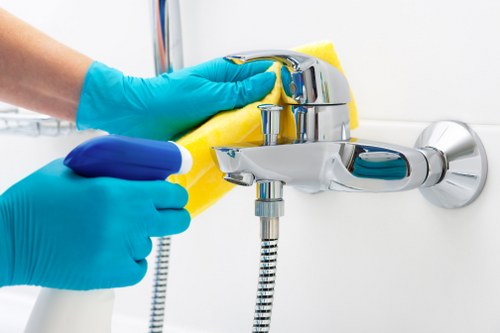
There are real advantages to using a local company for communal area cleaning in Putney. Local cleaners are more familiar with the building styles, traffic patterns, and access challenges that are common in SW15. They understand that some properties have limited parking, shared gates, coded entrances, timed entry windows, or stair access that needs to be managed carefully.
A local service can also be more responsive when residents, block managers, or landlords need changes to the cleaning schedule. If a building has had a busy weekend, refurbishment work, or a seasonal build-up of leaves and mud, it is helpful to have a team that can respond quickly and sensibly.
Another important benefit is consistency. Shared areas are much easier to maintain when the same standard is applied every visit. That means less dust build-up, fewer complaints, and a cleaner, more welcoming atmosphere in the building throughout the year.
How communal area cleaning works
A simple process that fits around the building
Most clients want a cleaning arrangement that is straightforward, reliable, and easy to manage. The process usually begins with understanding the property, the number of communal areas, how often they are used, and whether any special access arrangements apply. From there, a suitable cleaning plan can be put in place.
Typical steps include:
- Reviewing the building layout and cleaning requirements
- Agreeing the frequency of visits, such as weekly, twice weekly, or more often where needed
- Identifying priority areas like entrances, stairs, lift lobbies, and touch points
- Setting out the scope of work so everyone understands what will be maintained
- Carrying out the cleaning on an agreed schedule
- Adjusting the routine if the building’s needs change over time
This flexible approach is especially useful in Putney, where some buildings are busy during commuter hours and quieter at other times. It helps ensure the service is practical, discreet, and suitable for the people living and working there.
Frequency options for different buildings
The right cleaning frequency depends on the size of the property and how many people use the communal spaces. A compact building with a small number of residents may only need a weekly clean, while a larger development or heavily used entrance could require multiple visits per week.
Common service patterns include:
- Weekly cleaning for smaller blocks and low-traffic communal spaces
- Twice-weekly cleaning for busier residential entrances and stairwells
- Three or more visits per week for high-traffic properties, large developments, or buildings with shared facilities
- Periodic deep cleaning to support regular maintenance and refresh neglected areas
Some buildings also benefit from seasonal adjustments. For example, autumn and winter often require more frequent attention to wet leaves, grit, and mud, while summer may call for closer monitoring of dust, pollen, and litter around entrances.
What customers in Putney usually want from a cleaning service
People looking for communal cleaning are usually not searching for a one-size-fits-all package. They want a service that reduces complaints, keeps the building pleasant, and makes the property easier to manage. They also want to know that the team working in the building is trustworthy, careful, and able to follow instructions.
In practice, that often means customers are looking for:
- Reliable attendance and consistent standards
- Clear communication about what is being cleaned
- Attention to high-touch surfaces and visible areas
- Flexibility for different building layouts
- Practical scheduling that avoids disruption
- Good value without cutting corners
- A cleaner environment for residents, visitors, and contractors
For block managers and landlords, the service should also help reduce complaints and make maintenance easier to plan. For residents, it should simply mean that the shared areas feel looked after and pleasant to use every day.
Benefits of regular communal cleaning
A better first impression for the whole building
The entrance and shared areas of a property shape the way people feel about it. A clean lobby, tidy stairs, and fresh-smelling hallway create a much more positive impression than a space with dust, fingerprints, and litter. That matters for visitors, delivery drivers, prospective tenants, and residents themselves.
Regular communal cleaning also helps protect surfaces. Dirt and grit can cause wear on flooring, especially in stairwells and hallways where people are constantly walking. When floors are cleaned properly and often, they tend to stay in better condition for longer.
There is also a practical hygiene benefit. Shared touch points such as handles, lift buttons, and intercoms can collect grime quickly. A routine cleaning schedule keeps those surfaces presentable and helps the building feel more cared for.
Reducing complaints and improving resident satisfaction
In many blocks, cleaning is one of the most common subjects raised by residents. Dusty corners, neglected windows, overflowing bins, and dirty floor mats can all lead to frustration. A dependable cleaning schedule helps avoid those issues before they become bigger problems.
When residents know a shared area will be cleaned regularly, they are more likely to feel confident about the standard of management in the building. It creates a more settled atmosphere and can reduce the time managers spend dealing with avoidable complaints.
For many Putney buildings, this is not just about appearances. It is about keeping the property easier to live in, easier to manage, and more pleasant for everyone using it.
Practical challenges in Putney buildings
Local buildings come with their own set of realities. Some developments have limited parking, which means cleaning teams need to plan visits carefully. Others have narrow staircases, restricted entry points, or only brief access windows. In apartment blocks close to transport routes, there may also be busier foot traffic and more dirt brought in through the entrance.
Properties near the river, green spaces, and main roads can experience different types of buildup depending on the season and weather. Wet shoes, wind-blown debris, and daily commuter traffic all affect how quickly communal areas need attention. A local cleaning team should understand these patterns and schedule work accordingly.
In older conversions, the challenge is often preserving the appearance of period features while still keeping the building clean. In newer developments, the emphasis may be on glass, polished finishes, lifts, and shared amenity spaces. Either way, the cleaning approach should suit the property rather than forcing the property to fit the cleaning routine.
Access, keys, and building instructions
Good communal area cleaning depends on careful access arrangements. Buildings may require keys, fobs, codes, or specific instructions from managing agents or residents’ representatives. A professional service should be comfortable following those procedures and working discreetly around residents’ schedules.
It is also important to respect the building’s routine. For example, some properties prefer cleaning outside peak commuting hours, while others need a visit time that avoids school drop-offs, deliveries, or other busy periods. Planning these details properly helps the work run smoothly and reduces disruption.
Clear instructions at the start make everything easier later. The more a team knows about the building, the better they can maintain consistent standards without causing inconvenience.
What is typically included in a local cleaning specification?
Useful tasks that keep shared areas in good order
A practical cleaning specification should focus on the spaces that residents use every day and the touch points that quickly show signs of wear. It should also reflect the building’s size, layout, and condition.
Many Putney clients ask for a specification that includes:
- Entrance foyer cleaning
- Stair and landing cleaning
- Internal window and glass wipe-downs
- Lift and lobby cleaning
- Door-frame and skirting attention
- Handrail and bannister wiping
- Light dusting of accessible surfaces
- Spot treatment for marks and smudges
- Rubbish removal from shared areas
- Basic upkeep of bin stores and nearby common points
Some properties also request occasional add-ons such as deeper floor attention, more frequent entrance care in bad weather, or special cleaning after decorating, maintenance work, or a change in occupancy.
Optional extras that may be useful
Not every property needs the same level of service every week. For some buildings, it can be helpful to combine the regular communal clean with occasional extra tasks. These may be agreed in advance or arranged when the need arises.
Examples of optional extras include:
- Deep cleaning of neglected corners and stair risers
- More frequent cleaning during wet or muddy seasons
- Internal window detailing in lobbies or entrance areas
- Cleaning after renovation or maintenance work
- Extra attention to bin areas or high-use entrances
This flexibility can be especially useful in mixed-use buildings or larger blocks where usage levels change through the year.
Preparing your building for a cleaning service
A simple preparation checklist
To get the best from a communal cleaning arrangement, it helps to have a few practical details in place before the service starts. That does not mean a lot of work for residents or managers; just a little organisation makes the service smoother and more effective.
Preparation may include:
- Confirming access arrangements such as keys, fobs, or codes
- Sharing any building rules about noise, timings, or entry points
- Identifying priority areas that need the most attention
- Letting residents know what day the clean is likely to happen
- Clearing personal belongings from shared floors and landings where possible
- Reporting any damaged fixtures, loose fittings, or safety concerns in advance
Keeping corridors and stairwells reasonably clear allows cleaners to work efficiently and helps protect residents’ property. It also makes it easier to maintain the agreed standard on each visit.
What residents can do to help keep the area tidy
Communal cleaning works best when residents play a small part too. That does not mean expecting residents to do the cleaning themselves; it simply means encouraging sensible habits that keep the building tidy between visits.
Helpful habits include:
- Wiping up spillages promptly
- Not leaving rubbish bags in corridors
- Keeping bicycles, prams, and shoes in designated spaces
- Closing doors properly to reduce dirt entering shared areas
- Reporting maintenance problems early
Small actions like these support the cleaning schedule and help preserve the condition of the building.
Pricing factors for communal area cleaning
What affects the cost of the service?
Because every building is different, communal cleaning costs depend on several factors rather than a fixed template. A larger or busier property will naturally require more time than a small conversion with one staircase. The frequency of visits, the number of floors, and the level of detail all play a part.
Common pricing factors include:
- Size of the communal area
- Number of floors, landings, and staircases
- Frequency of cleaning required
- Type of surfaces and finish
- Whether lifts, lobbies, or bin rooms are included
- How much time is needed for access and setup
- Any additional deep-cleaning or seasonal tasks
It is always sensible to request a quote based on the actual building and the current scope of work. That way, the service can be matched to your needs rather than forced into a generic package that may not fit the property well.
Why a tailored quote makes sense
A tailored quote helps you compare value more accurately. It shows what the service includes, how often the cleaning will happen, and which areas are covered. This is particularly important for management companies, freeholders, and resident groups who need clarity before appointing a cleaner.
It also helps prevent misunderstandings later. When the scope is clear from the start, everyone knows what to expect and what level of maintenance is being provided.
Request a free quote if you want a cleaning plan shaped around your Putney property rather than a generic estimate.
Why local residents and managers choose regular communal cleaning
Reliable upkeep for busy shared buildings
Shared spaces age more slowly when they are looked after regularly. Dirt, moisture, and foot traffic are easier to control with a routine cleaning plan than with occasional ad hoc visits. This is especially valuable in apartment buildings with a constant flow of residents, visitors, and deliveries.
Regular upkeep can also help extend the life of flooring, wall finishes, and fixtures. That matters in managed properties where keeping communal parts in good condition supports long-term value and reduces the need for avoidable repairs or refurbishments.
For many Putney customers, the main benefit is simply peace of mind. They know the building will be checked, cleaned, and kept in order without needing to chase down every small issue.
Suitable for landlords, residents’ committees, and managing agents
Different customers need different things from a cleaning provider. Landlords may want dependable attendance and a straightforward service. Residents’ committees may want clear agreement about the cleaning standard and the frequency of visits. Managing agents often need a team that can work sensibly with access rules and building priorities.
Whatever the setup, the service should make shared area management easier rather than harder. A good communal clean is noticeable, but it should not be disruptive. The building should simply feel better cared for after each visit.
That is why many local customers prefer to work with a team that understands the practical side of shared property maintenance in Putney.
Areas covered around Putney
Local coverage across nearby neighbourhoods
Communal area cleaning is often arranged for properties in and around Putney, including locations such as East Putney, Putney Bridge, Putney Heath, Roehampton, Wandsworth, and nearby riverside developments. The same service is also useful for buildings along main routes and quieter residential streets where shared access needs regular attention.
Because the area includes a mix of apartment blocks, converted homes, managed estates, and commercial-residential buildings, a local team needs to be adaptable. That means being ready for basement entrances, narrow staircases, front steps, internal lifts, shared car parks, and other practical features that can affect the cleaning routine.
If your property is in or around Putney and has shared spaces that need ongoing care, contact us today to discuss a service that fits the building.
Local knowledge can make the service smoother
Local experience matters because it helps the service run on time and with fewer complications. A team familiar with Putney is more likely to understand parking limitations, access restrictions, and the pace of everyday life around residential streets, transport links, and busier mixed-use sites.
That local familiarity also supports better planning. If a building is difficult to access at certain times, the cleaning visit can be arranged in a way that suits both the property and the residents. It is a practical advantage that often shows in the quality of the service.
For busy buildings, practical planning is just as important as cleaning skill.
Frequently asked questions
How often should communal areas be cleaned?
It depends on the size of the building, the number of residents, and how much foot traffic the property receives. Smaller blocks may only need weekly cleaning, while larger or busier buildings often need more frequent visits. A tailored schedule is usually the best approach.
If you are unsure, start with a frequency that matches the current condition and usage of the building, then adjust if needed.
Book your service now if you would like help deciding on the right routine.
Can the service be adapted for older buildings?
Yes. Older converted properties often need careful attention to staircases, banisters, entrance features, and period finishes. The cleaning method should suit the materials in the building and avoid unnecessary wear.
That is why it helps to use a service that can tailor the work to the specific property rather than relying on a rigid checklist alone.
Request a free quote if your building has special features or access considerations.
Do you work around resident access rules?
Yes, communal cleaning should always respect building access arrangements. That may include keys, fobs, timed entry windows, or instructions from a managing agent or residents’ representative. A professional cleaner should follow those arrangements carefully.
This is especially important in secured apartment blocks and developments with controlled access.
Contact us today to discuss your building’s requirements.
What if the building needs more than routine cleaning?
Many properties benefit from a combination of regular maintenance cleaning and occasional deeper attention. If there has been renovation work, seasonal buildup, or a period of neglect, the service can often be adjusted to address the problem areas before settling into a normal routine.
That way, the building can return to a sensible standard and then stay there with ongoing visits.
Ask about a tailored cleaning schedule if your shared spaces need a more targeted approach.
Who usually arranges communal cleaning?
It is often arranged by managing agents, landlords, freeholders, residents’ associations, or committee members representing the building. In some smaller properties, individual residents may coordinate together to organise the service.
Whatever the setup, the main goal is the same: a dependable service that keeps shared areas presentable and practical to use.
Clear expectations at the start make the arrangement much easier to manage.
Make your shared spaces easier to manage
A clean communal area supports the whole property
When shared areas are looked after properly, everyone benefits. Residents enjoy a tidier environment, visitors get a better first impression, and managers deal with fewer complaints about dirt or untidiness. That is why professional communal cleaning is such a sensible choice for Putney buildings of all sizes.
Whether your property is a small conversion, a modern apartment block, or a larger managed development, a regular cleaning plan can help keep the building in better shape all year round. It is a practical investment in appearance, comfort, and day-to-day ease of living.
Contact us today to discuss your property, request a free quote, or book your service now for reliable communal area cleaning in Putney.