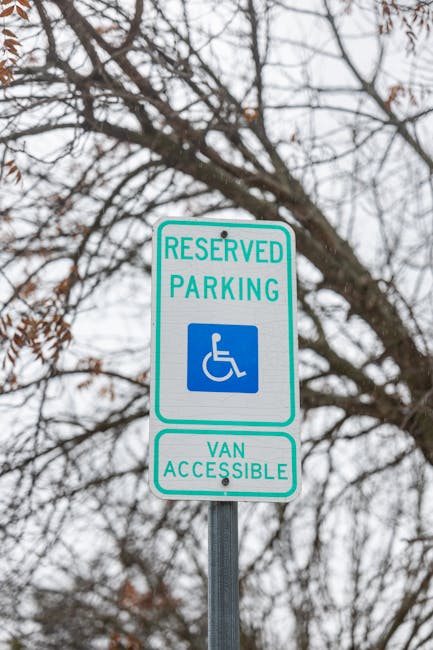
Skip permit rules and fines in Putney: what you need to know before booking a skip
If you are planning a clear-out, renovation, or garden project, the last thing you want is a penalty dropping into the middle of it. Yet that is exactly what can happen if you ignore skip permit rules and fines in Putney. In a busy part of southwest London, even a small mistake - placing a skip without permission, blocking access, or overstaying the approved period - can turn an otherwise simple job into an expensive hassle.
This guide explains how skip permits work, why fines happen, what to check before delivery, and how to stay on the right side of local rules without making the whole process more stressful than it needs to be. Truth be told, most problems are avoidable once you know what to look for.
Whether you are a homeowner, landlord, contractor, or shopkeeper, the aim here is simple: help you book and use a skip properly, avoid avoidable charges, and keep your project moving.
Why skip permit rules and fines in Putney matter
Putney is the sort of place where streets can feel tight, parking is often at a premium, and foot traffic never really stops. That matters because skips are not just about waste removal; they also affect road safety, pedestrian access, neighbours, and local traffic flow. A skip parked in the wrong spot can block visibility, reduce space for cars and bikes, or create a nuisance overnight. And once that happens, complaints tend to follow quickly.
Fines matter for another reason too: they are rarely the only cost. A penalty often comes alongside extra admin, possible removal charges, project delays, and awkward conversations with neighbours or the skip provider. If you have ever watched a builder pause work because a skip was delayed, you will know how fast one small problem can snowball. Not ideal.
From a practical point of view, knowing the rules helps you choose the right setup first time. Do you need a skip on the road, or can it fit on private land? Will it need lights, cones, or barriers? Will the collection date need adjusting because your rip-out job has run long? These are basic questions, but they are exactly the ones that prevent trouble.
Expert summary: The best way to avoid skip permit fines in Putney is to treat the permit as part of the booking, not an afterthought. Location, timing, visibility, and public safety all matter.
How skip permit rules and fines in Putney work
In simple terms, a skip permit is permission to place a skip on public highway land, usually the road or pavement area where a local authority controls access. If the skip stays entirely on private property, a permit may not be needed. But once any part of it sits on the public road, the rules change. That is the point where many people get caught out.
The exact process can vary depending on the road, the location, and the council requirements in force at the time. In general, the skip provider usually helps arrange the permit if the skip will be placed on the highway. That said, you should never assume it is automatic. Always confirm who is handling the permit, when it becomes valid, and what conditions apply.
Common conditions may include the placement position, reflective markings, safety lamps if used after dark, and how long the skip can remain in place. There may also be restrictions on where it can sit relative to junctions, dropped kerbs, bus stops, or narrow stretches of road. If the skip is put somewhere awkward, enforcement action can follow.
Fines or penalties usually arise when the skip is placed without permission, stays beyond the permitted period, or does not comply with the conditions attached to the permit. Sometimes the issue is not even the permit itself but the skip's placement. A skip can be permitted and still be non-compliant if it creates a hazard. Annoying, yes. But common.
A quick real-world example: someone books a skip for a weekend clear-out, assumes the driveway will fit it, then discovers the hired lorry needs a bit more room on delivery day. The skip ends up half on the road. That is exactly the kind of moment where a permit question appears at the worst possible time. Better to measure first, ask second, and book third.
Key benefits and practical advantages
Staying on top of skip permit rules is not just about avoiding fines. There are several practical upsides that are easy to overlook when you are focused on the job itself.
- Fewer delays: If the permit is arranged properly, the skip can be delivered and used without last-minute headaches.
- Lower risk of extra charges: You reduce the chance of penalty notices, redelivery issues, or rushed extensions.
- Better site safety: A correctly positioned skip is easier for workers, neighbours, and road users to navigate around.
- Smoother project planning: Waste removal becomes part of the schedule rather than a problem that interrupts it.
- Less stress with neighbours: Good placement and proper signage tend to prevent avoidable complaints.
There is also a quieter benefit: confidence. When you know the skip is compliant, you can get on with the actual work instead of glancing out the window wondering whether someone is about to object. That peace of mind counts for a lot, especially on a busy week.
For businesses and contractors, the upside is even clearer. Jobs stay moving, customer sites look more professional, and you are less likely to have a small admin issue turn into a bigger reputational one. It is the unglamorous side of operations, but it keeps everything steady.
Who this is for and when it makes sense
Skip permit rules are relevant to anyone planning waste disposal in Putney where public space might be involved. Some readers only need this once for a home project. Others deal with it regularly. Either way, the logic is the same: know whether the skip will sit on private land or public land, then act accordingly.
Homeowners
If you are clearing out a loft, replacing a kitchen, or tackling garden waste, a skip can save a mountain of car trips to the tip. But if your driveway is tight, the skip may need to go on the street. That is when the permit issue becomes real. You do not want a half-finished renovation with nowhere safe to put rubble.
Landlords and managing agents
Rental voids, end-of-tenancy clearances, and communal waste can create pressure to work quickly. The temptation is to book fast and sort the rest later. Let's face it, that is where mistakes happen. Planning the permit step early is usually the cleaner route.
Tradespeople and contractors
Builders, kitchen fitters, decorators, roofers, and landscapers all rely on efficient waste management. If you are working on narrow roads or terraced properties around Putney, the skip may have to sit on the road. In those cases, permit timing, delivery windows, and access details need to be right from the start.
Small businesses and shop fitters
Fit-outs, stock room clearances, and refurbishments often happen on tight deadlines. A skip that is placed without proper approval can cause disruption just when the site needs to keep moving. It is not glamorous work, but it is part of keeping the job clean and legal.
Step-by-step guidance
Here is a practical way to handle the process without overcomplicating it.
- Check where the skip will sit. If it is entirely on private land, you may not need a highway permit. If any part will be on the road, assume permission may be required until confirmed otherwise.
- Measure the available space. Do not guess. Measure width, length, turning space, and any obstruction like parked cars, gates, trees, or bollards.
- Ask the provider who handles the permit. Some companies organise it as part of the service; others expect you to arrange the paperwork or confirm details. Be clear before you pay.
- Confirm the placement date and duration. A skip permit is often time-sensitive. If your job runs long, extension planning matters.
- Check safety requirements. Visibility, lighting, and positioning can all matter, particularly during darker months or on busy roads.
- Keep access clear. Make sure the skip does not block entrances, drains, or pedestrian routes. If it is close to a dropped kerb or junction, be extra cautious.
- Inspect the skip on arrival. If something looks off, say so immediately. A quick correction at delivery is much easier than dealing with a complaint later.
- Monitor the fill level. Do not overload it. Waste piled too high can be unsafe and may lead to collection refusal or extra handling problems.
There is a nice rhythm to getting this right: plan, confirm, place, check, collect. Simple enough on paper. In practice, a rushed booking is where people trip up. One phone call early on can save a lot of grief later.
Expert tips for better results
If you want the process to run smoothly, a few small habits make a surprisingly big difference.
- Book a little earlier than you think. Busy periods can affect availability, and permit lead times may not be instant.
- Take photos of the placement area. This helps if you need to explain space constraints or access issues.
- Think about neighbour access. Shared driveways, tight terraces, and corner plots can create friction if not handled politely.
- Ask about lighting and markings. Especially in winter, visibility can become more important than you expect at 4:30 p.m.
- Choose the right size. An undersized skip can lead to overflow or extra collections. A badly oversized one can be awkward to place.
- Build in a buffer. If your project might run over by a day or two, plan for that now rather than treating it as a surprise.
One small but useful habit is to leave a clear note for anyone involved on site: where the skip is, when it arrives, and who to contact if there is an issue. It sounds basic, almost silly, but it prevents confusion when multiple people are working on the same property.
If you are using a skip for the first time, do not worry about sounding cautious. Ask the obvious questions. That is usually where the value is.
Common mistakes to avoid
Most skip-related fines are not the result of dramatic wrongdoing. They usually come from ordinary mistakes made in a hurry.
- Assuming the skip can go on the road without permission. This is the big one. Never assume.
- Leaving permit arrangements until delivery day. It is a bit like buying a ticket after boarding the train. Not a plan.
- Forgetting about neighbours or access routes. A skip can cause friction even when it is technically compliant.
- Ignoring signage or safety features. If the placement conditions call for visibility measures, they matter.
- Overfilling the skip. This can create safety concerns and collection problems.
- Using the skip for prohibited waste. Some items need special handling, and putting them in the wrong container can trigger extra costs.
- Letting the permit expire without checking. If the skip needs to stay longer, that is a problem to solve before the deadline, not after.
Another easy mistake is forgetting that a quiet side street in Putney can still be a regulated highway. Quiet does not mean exempt. That catches people out more often than you would think.
Tools, resources and recommendations
You do not need a huge toolkit to manage skip compliance well. A few simple items and habits are usually enough.
- Measuring tape: Useful for checking whether the skip truly fits on the driveway or inside a boundary.
- Phone camera: Handy for recording access, road width, and the final placement.
- Calendar reminders: Set reminders for permit dates, collection day, and possible extension decisions.
- Site note or job sheet: Keep the permit status, delivery instructions, and collection contact details together.
- Waste segregation plan: If your project produces mixed waste, know what can and cannot go into the skip before you start filling it.
When choosing a skip provider, look for clear communication, not just the cheapest quote. A low price is no comfort if the instructions are vague. A good provider should be able to explain what happens if the skip needs to go on the public road, what happens if dates change, and what you should do if access is awkward.
If you are comparing options, it can help to ask one practical question: What would make this booking go wrong? The answer usually reveals what needs checking. That is often more useful than a glossy sales pitch, to be fair.
Law, compliance, standards and best practice
Skip placement in London typically sits at the intersection of highway control, safety, and waste handling responsibilities. The exact permit conditions and enforcement approach can vary, so it is wise to treat council guidance and provider instructions as job-critical rather than optional. If a skip is on or near a public road, the legal and practical expectation is that it should not create a hazard or obstruction.
Best practice usually includes:
- confirming whether a highway permit is needed before delivery
- making sure the placement does not block pedestrian access, drives, or visibility
- using appropriate safety markings or lights where required
- keeping the skip within the approved time period
- ensuring the waste type matches the skip's intended use
It is also sensible to keep a record of who arranged the permit, when it starts, and when it ends. If something goes wrong, that paper trail can save a lot of uncertainty. Not every project needs an admin folder, but this is one of those times when a tiny bit of order pays off.
Because rules and enforcement can change, always confirm the latest local requirements before booking. That is the cautious, professional approach, and it is usually the one that protects you best.
Options, methods, and comparison table
There is more than one way to deal with waste from a project in Putney. The right option depends on the amount of waste, the space available, and whether you are dealing with private land or a public road.
| Option | Best for | Permit likely needed? | Pros | Watch-outs |
|---|---|---|---|---|
| Skip on private driveway | Homes with enough off-street space | Usually no | Simpler, less admin, easier to manage | Space can be tighter than expected |
| Skip on road | Terraced homes, narrow frontages, constrained sites | Usually yes | Practical when no driveway exists | Permit timing, safety conditions, and fines if mishandled |
| Man and van clearance | Smaller one-off clearances | Usually no highway permit for a skip itself | Fast, flexible, minimal street occupation | Not always cost-effective for heavier waste |
| Multiple smaller loads | Light refurb jobs with limited waste | No skip permit, but more trips | Avoids roadside placement | Time-consuming, labour-heavy, less efficient |
This is where the decision becomes more practical than theoretical. If you have a small front garden but no driveway, a roadside skip may still be the cleanest solution. If you are doing a lighter declutter, a smaller clearance method may be simpler. There is no one perfect answer. The right choice is the one that fits the site, not the one that sounds cheapest on a quote sheet.
Case study or real-world example
Here is a straightforward example that shows how these rules play out in real life.
A homeowner in Putney starts a kitchen refurbishment and assumes a skip can sit just outside the property while the old units and rubble are removed. The team arrives on a damp morning, the road is already busy, and there is not quite enough private space to place the container fully on the driveway. The skip ends up partly on the public road. At that point, the issue is no longer just waste removal - it is placement, permission, and risk.
Because the permit was not confirmed early, the job stalls while the situation is sorted out. The skip has to be adjusted, extra time is spent on admin, and the whole project runs a little hotter than planned. Nothing catastrophic. Just messy, expensive, and avoidable.
If the permit and placement had been discussed at the start, the skip could have been positioned correctly or an alternative waste option chosen. A small amount of planning would have saved several hours and a fair bit of frustration. That is the kind of thing people rarely forget twice.
Practical checklist
Use this checklist before your skip arrives. It is simple, but it catches most of the avoidable issues.
- Have I confirmed whether the skip will be on private land or the public road?
- Have I checked who is arranging the permit?
- Do I know the delivery and collection dates?
- Have I measured the available space properly?
- Have I checked for obstacles such as parked cars, gates, trees, or low walls?
- Do I know what safety markings or lighting may be needed?
- Have I thought about access for neighbours, deliveries, and emergency vehicles?
- Do I know what waste is allowed in the skip?
- Have I set a reminder before the permit expires?
- Do I have the provider's contact details ready if plans change?
If you can tick all ten boxes, you are in a much stronger position. Not perfect, maybe, but strong enough to keep things straightforward.
Quick takeaway: The safest approach is to treat skip placement as a compliance task as much as a logistics task. That mindset alone prevents a surprising number of fines.
If you are still comparing options or trying to keep costs under control, it is worth speaking with a provider early and making the permit question part of the first conversation. Get a free quote today and see how much you can save.
Conclusion
Skip permit rules and fines in Putney are not complicated once you break them down into the basics: where the skip sits, whether the road is involved, how long it stays, and whether it is placed safely. The people who avoid problems are usually not the ones taking risks. They are the ones asking one extra question before the lorry arrives.
That is the real lesson here. A little planning protects your budget, your timeline, and your peace of mind. And on a busy London street, that is worth more than it sounds. One careful call now can spare you a lot of irritation later, which is no bad thing at all.
Frequently Asked Questions
Do I need a permit for a skip in Putney?
If the skip will be placed on a public road or highway, a permit is usually required. If it stays fully on private land, such as a driveway or yard, a permit may not be needed. Always confirm before delivery.
What happens if I put a skip on the road without permission?
You may face enforcement action, removal instructions, or a fine. It can also delay your project and create extra costs, especially if the skip has to be moved quickly.
Who usually arranges the skip permit?
In many cases, the skip provider helps arrange it, but this is not automatic. You should ask clearly when booking so you know exactly who is responsible.
How long can a skip stay in place?
That depends on the permit conditions and local arrangements. Some skips can stay for a short approved period, while others may be extended if needed. Never assume it can remain indefinitely.
Can I extend the permit if my project runs over?
Often yes, but it should be arranged before the original approval ends. Waiting until after expiry is risky and may lead to penalties or removal issues.
What are the most common reasons people get fined?
The most common causes are placing a skip without permission, leaving it in place too long, or failing to follow the conditions attached to the permit, such as safe placement or visibility requirements.
Can a skip be placed on a narrow street in Putney?
Sometimes, yes, but narrow streets need extra care. Access, visibility, and passing space matter more on tighter roads, so the placement should be checked carefully before booking.
Do I need lights or signs on a skip?
Depending on placement and conditions, safety markings or lights may be required. This is especially relevant if the skip is on a road or may be used during darker hours.
What should I do if the skip was delivered in the wrong spot?
Contact the provider immediately. Quick correction is much easier than letting the issue sit, because even a small positioning problem can become a compliance concern.
Is it cheaper to avoid a permit by putting the skip on private land?
Sometimes it is, but only if the skip genuinely fits safely on private land. Forcing it into a tight space can create other problems, so the cheapest option is not always the best one.
What should I check before booking a skip in Putney?
Check space, access, likely permit needs, delivery timing, waste type, and who handles the paperwork. That basic checklist prevents most of the common headaches.
Is a man and van clearance better than a skip?
It can be for smaller jobs or when road placement is awkward. For heavier projects, a skip may be more practical. The right choice depends on waste volume, site access, and timing.