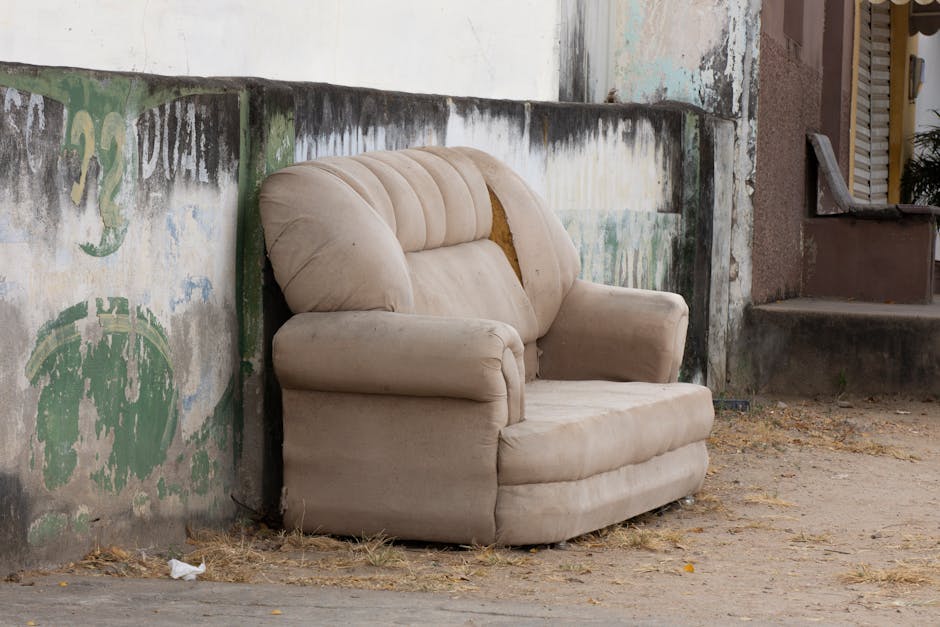
Wandsworth Council rules on mattress and upholstery disposal
If you have a worn-out mattress leaning in the hallway or a sofa that has finally given up the ghost, the disposal question becomes very real, very quickly. Wandsworth Council rules on mattress and upholstery disposal can feel straightforward at first glance, but the details matter: bulky waste bookings, contamination, reuse options, and what counts as acceptable collection all affect how smoothly things go. In a London flat, that matters even more. Nobody wants a bulky item blocking the landing on a Tuesday morning or, worse, a missed collection because the item was left out incorrectly.
This guide breaks the process down in plain English. You will learn how the rules generally work, which options make sense in different situations, common mistakes to avoid, and a few practical ways to keep the whole job tidy. Truth be told, mattress disposal is one of those tasks that looks simple until you are actually standing there with it.
Table of Contents
- Why Wandsworth Council rules on mattress and upholstery disposal Matters
- How Wandsworth Council rules on mattress and upholstery disposal Works
- Key Benefits and Practical Advantages
- Who This Is For and When It Makes Sense
- Step-by-Step Guidance
- Expert Tips for Better Results
- Common Mistakes to Avoid
- Tools, Resources and Recommendations
- Law, Compliance, Standards, or Best Practice
- Options, Methods, or Comparison Table
- Case Study or Real-World Example
- Practical Checklist
- Conclusion
- Frequently Asked Questions
Why Wandsworth Council rules on mattress and upholstery disposal Matters
Mattresses and upholstered furniture are bulky, awkward, and often not accepted in the same way as everyday household rubbish. That is the core reason the council's rules matter. They help keep streets clear, reduce fly-tipping, and make sure large items are handled in a way that is safer for residents and collection crews.
There is also a surprisingly practical side to it. A mattress left out too early can get damp, attract pests, or simply become an eyesore outside a property. In many parts of Wandsworth, especially streets with limited front space or communal bin stores, timing and presentation are everything. A sofa on the pavement looks like it has been there for ages after only one overnight rain shower.
For tenants, landlords, homeowners, and managing agents, disposal also affects handovers and end-of-tenancy cleaning. If you are clearing a property before checkout, the order of operations matters: remove bulky items first, then deep clean, then deal with carpets and upholstery. If you are already planning a full reset, you may find it useful to look at end of tenancy cleaning in Putney or the broader services overview to understand how disposal and cleaning can be coordinated sensibly.
Key takeaway: the rule is not just "get rid of it". It is about getting rid of it safely, in the right format, at the right time, and through the right route.
How Wandsworth Council rules on mattress and upholstery disposal Works
In practice, council collection systems for bulky items tend to work in one of a few ways. The exact booking method and collection conditions can vary over time, so the safest approach is always to check the current local instructions before you move anything outside. What usually stays consistent is the logic: large upholstered items are treated as bulky waste, and they may need a dedicated collection rather than a normal bin pickup.
Mattresses are a special case because they are big, hard to compact, and often awkward to transport. Upholstered furniture such as sofas, armchairs, ottomans, and some bed frames can also fall into the same category. If an item is damaged, heavily soiled, or waterlogged, it may need extra handling or may not be suitable for reuse channels at all. That can affect what collection or disposal route is appropriate.
Most residents end up choosing one of three paths:
- Book a bulky waste collection through the council's normal process, if available for the item.
- Take the item to an appropriate reuse or disposal point if you have transport and the item is manageable.
- Use a private licensed removal service when speed, access, or volume makes council collection impractical.
If the item is still in decent condition, a reuse-first approach is often the better option. If the fabric is torn, the springs are exposed, or the frame is broken beyond sensible repair, disposal is usually the cleaner route. You do not need to overthink every stain; sometimes a mattress is simply done. That's life.
For residents planning a larger clear-out, it may help to connect this job with deep cleaning or carpet care afterwards. A mattress can leave dust, odour, and debris behind when removed, and a sofa often does the same. That is where related support such as upholstery cleaning in Putney or carpet cleaning in Putney can come in handy after the bulky item is gone.
Key Benefits and Practical Advantages
Following the proper disposal route is not just about compliance. It gives you a cleaner, easier process and reduces the odds of messy problems later on.
- Less risk of fly-tipping issues: items left out incorrectly can be reported, ignored, or simply become someone else's problem.
- Cleaner shared spaces: in flats and converted houses, keeping hallways and front gardens clear makes life easier for neighbours.
- Better chance of reuse: a usable mattress protector, sofa, or armchair may be suitable for donation or resale if handled early.
- Lower cleaning burden: removing the item before a deep clean makes dusting, vacuuming, and stain treatment much simpler.
- Less hassle on collection day: a properly prepared item is less likely to be refused or left behind.
There is also a small but real emotional benefit. Once the bulky thing is out, the room feels different. Cleaner. Lighter. More workable. You notice the space again. That counts.
For landlords and managing agents, the practical advantage is even clearer: better turnaround times and fewer disputes over abandoned furniture. If you handle properties in the area, a service like house cleaning Putney can be useful once the clutter is removed and the property needs a proper reset.
Who This Is For and When It Makes Sense
This topic is relevant to more people than you might expect. The obvious group is residents replacing old bedding or furniture, but there are several common scenarios where mattress and upholstery disposal becomes urgent.
- Tenants moving out: especially when a landlord requires the flat to be returned empty and clean.
- Landlords and letting agents: when items are left behind after a tenancy ends.
- Homeowners renovating: if a new bed, sofa, or fitted furniture is arriving and the old one needs to go.
- Families in smaller homes: where storing old bulky items is simply not an option.
- Office and commercial premises: waiting areas, soft seating, and upholstered furniture often need replacement too.
If you are living in a compact flat near Putney High Street or in a converted building with narrow stairwells, you already know the logistics can get awkward fast. The same goes for anyone in older housing stock where hallways are tight and shared access is limited. Some of the practical considerations overlap with issues covered in cleaning flats on Putney High Street and the deep-clean guide for Upper Richmond Road homes, because access, timing, and end-of-job tidiness all tend to matter together.
If the item is bulky but still in usable condition, it may make sense to pause and ask: can this be reused, sold, or donated? If not, disposal is the fair answer. No drama, just the next practical step.
Step-by-Step Guidance
Here is a straightforward way to handle mattress and upholstery disposal without turning it into a weekend ordeal.
- Identify the item clearly. Is it a mattress, sofa, armchair, sofa bed, headboard, or mixed bulky waste? Different items may have different handling needs.
- Check condition. If the item is clean and structurally sound, reuse is worth considering. If it is stained, torn, infested, or broken, disposal is usually more sensible.
- Measure access. Can it fit through the stairwell, front door, lift, or hallway? If not, you may need dismantling help or a removal service.
- Decide on the route. Council bulky waste collection, private collection, or reuse/donation are the main possibilities.
- Prepare the item. Remove bedding, cushions, loose parts, and anything that could fall off during handling.
- Follow local collection instructions. Put the item out exactly as required, at the correct time, and in the correct place.
- Protect the route. If you are carrying the item through a property, lay down covers or cardboard where needed to avoid scuffs and dust.
- Clean after removal. Vacuum the area, wipe the skirting, and check for hidden dust or pests behind the furniture.
A small bit of planning goes a long way here. For example, if a bed is being replaced, arrange the new delivery after the old one is removed, not before. It sounds obvious, but it is one of those details people overlook when the room is in chaos and the kettle is on.
If the removal is part of a broader clean-up, a coordinated approach can save time. A property refresh, end-of-tenancy turnover, or post-renovation clean usually works best when bulky disposal happens first and detailed cleaning follows.
Expert Tips for Better Results
Over time, the jobs that go smoothly usually have one thing in common: someone thought a step ahead. Here are the practical touches that make mattress and upholstery disposal easier.
- Bag or wrap loose fabric parts: if cushions or detachable covers are involved, keep them together so nothing goes missing.
- Keep items dry: a wet mattress is heavier, messier, and far less pleasant to move.
- Protect communal areas: in blocks and converted houses, a quick sweep or wipe of stair rails after moving bulky furniture can prevent complaints.
- Photograph the item before disposal: useful if you are a landlord, tenant, or letting agent documenting the condition.
- Think about odour and dust: old upholstery can leave behind a surprisingly stubborn smell, especially in warm weather.
If the item has been in a room with damp or mould, it is sensible to clean the surrounding area carefully afterwards. In older Putney properties, this can matter more than people expect. For related reading, the piece on mould and damp cleanup for Putney Victorian homes is a useful companion if your disposal job is tied to moisture damage.
Also, do not underestimate the value of a proper freshen-up after the item is gone. A room with an old sofa removed can suddenly reveal stale dust, pet hair, or old spill marks that were hiding underneath. Bit awkward, yes. But also fixable.
Common Mistakes to Avoid
Most bulky waste problems come from a few familiar mistakes. Avoid these and you are already ahead.
- Leaving items out too early: this can make the street look untidy and can increase the chance of rain damage or complaints.
- Blocking pavements or entrances: always keep access routes clear. Shared spaces matter.
- Assuming every item is accepted the same way: a mattress is not just "another bit of rubbish".
- Forgetting to check current instructions: council processes can change, and it is better to confirm than guess.
- Mixing bulky waste with loose rubbish: keep the collection neat and straightforward.
- Ignoring a damaged or contaminated item: if the mattress has pests, heavy mould, or contamination, take extra care and use appropriate handling methods.
Another common one is trying to solve the whole thing at the last minute on a Sunday evening. That rarely ends well. A better approach is to decide early, clear the route, and get the item out of the way before the rest of the clean starts.
Tools, Resources and Recommendations
You do not need specialist equipment for every disposal job, but a few simple items make the work safer and cleaner.
| Item | Why it helps | Best used for |
|---|---|---|
| Protective gloves | Reduces cuts, dirt transfer, and splinters | Handling broken frames or rough upholstery |
| Dust sheets or cardboard | Protects floors and communal areas | Moving items through hallways or stairwells |
| Strong bags or tape | Contains loose debris and detachable parts | Cushions, fabric scraps, broken fittings |
| Measuring tape | Helps check access routes before lifting | Stairwells, doors, lifts, narrow landings |
| Vacuum cleaner | Clears dust and fibres after removal | Final tidy-up once the item is gone |
In a real home, it is often the small stuff that saves time: a few dust sheets, a clear corridor, and a proper vacuum pass afterwards. If the property needs a fuller clean, you may also want to look at domestic cleaning in Putney for routine support, or office cleaning Putney if the same practical approach is needed in a workplace setting.
For residents who are unsure which route to take, a sensible rule of thumb is this: if the item is reusable and easy to move, reuse first; if it is bulky and awkward but acceptable for collection, use the council route; if access, timing, or volume is a problem, a private removal option may be the cleanest solution.
Law, Compliance, Standards, or Best Practice
When people talk about mattress and upholstery disposal, the legal angle is usually about responsible waste management rather than complex technical regulation. The practical standard is simple: do not dump bulky items, do not place them where they obstruct access, and do not leave them for collection in a way that breaches local instructions.
For landlords, managing agents, and anyone arranging a clearance as part of a move-out, best practice is to document what was left, what was removed, and when. That helps reduce disputes later. For tenants, keeping a photo record before and after disposal can be useful if there is any disagreement about the condition of the property. Calm, clear records tend to save headaches.
Another important point is hygiene and safety. Upholstery that is damp, mould-affected, or contaminated should be handled cautiously. In those cases, it is better to avoid dragging the item through the home if there is a safer route. If you are unsure, seek practical help rather than guessing. A wet mattress is not something to improvise with, and nobody wants that smell lingering in the staircase.
As a general standard, aim for three things: keep access routes clear, follow the relevant collection instructions, and separate disposal from cleaning in a logical order. That keeps the job cleaner and safer all round.
Options, Methods, or Comparison Table
Choosing the right disposal method comes down to condition, access, and urgency. Here is a practical comparison.
| Method | Best for | Pros | Watch-outs |
|---|---|---|---|
| Council bulky waste collection | Standard household mattresses and upholstered items | Convenient, local, structured | Needs correct booking and presentation |
| Reuse or donation | Clean items in good condition | More sustainable, may help another household | Not suitable for damaged or unhygienic items |
| Private removal service | Urgent jobs, difficult access, larger clearances | Flexible timing, often quicker | Usually costs more than council collection |
| Self-transport to disposal point | Residents with suitable vehicle access | Direct and sometimes efficient | Heavy lifting, transport limits, time and effort |
There is no perfect option for everyone. A family replacing a child's bed on a Saturday morning will have different priorities from a landlord clearing two flats after an end-of-tenancy handover. That is normal. The right choice is the one that fits the item, the property, and your timetable.
Case Study or Real-World Example
Here is a simple real-world scenario. Imagine a tenant in a Putney flat is moving out on Friday. There is an old mattress in the bedroom and a worn armchair in the living room. The flat has a narrow staircase, a shared entrance, and not much storage space for holding bulky waste overnight.
If the tenant leaves everything until the final evening, the removal becomes stressful fast. But if they start two days earlier, they can check the item condition, decide whether reuse is realistic, book the collection route, and clear the path before the move-out clean begins. The mattress goes first. Then the armchair. Then the vacuuming and final wipe-down.
In practice, that order makes a real difference. The property looks better, the hallway stays clear, and the final clean is much quicker. If the tenancy also involves carpet marks or furniture impressions, the next sensible step may be a proper clean of the soft surfaces. That is where related services such as carpet cleaning Putney can fit into the overall plan.
Nothing dramatic happened in this example. That is the point. A good disposal plan is usually quiet, methodical, and slightly boring. Which is exactly what you want when moving house.
Practical Checklist
Use this quick checklist before you move the item outside or arrange collection.
- Confirm whether the item is a mattress, upholstered furniture, or mixed bulky waste.
- Check if the item is reusable, sellable, or donation-ready.
- Measure access routes: doors, hallways, stairs, and lifts.
- Remove bedding, cushions, and loose parts.
- Protect floors and shared areas with sheets or cardboard.
- Keep the item dry and contained.
- Follow the current collection instructions for timing and placement.
- Take photos if you need a record for tenancy or property management.
- Vacuum and clean the area after removal.
- Arrange any follow-up cleaning or deodorising if needed.
If you are handling a whole property refresh rather than just one item, it can be worth planning the clean and clearance together. A coordinated approach is less stressful, less messy, and honestly, just more civilised.
Get a free quote today and see how much you can save.
Conclusion
Wandsworth Council rules on mattress and upholstery disposal are really about making bulky waste manageable for everyone involved. Once you understand the basic logic - book correctly, present the item properly, and choose the right route for the condition of the item - the process becomes much less daunting. The tricky bit is usually not the disposal itself. It is the timing, the access, and the clean-up afterwards.
Take the calm route. Measure first, move second, clean last. That simple order saves a lot of frustration, and it keeps your home or property feeling cared for rather than hurried. And if you do end up standing in a room full of dust where a sofa used to be, well, that is often the first sign the space is on its way back to normal.
Frequently Asked Questions
Can I leave a mattress out for normal rubbish collection in Wandsworth?
Usually no. Mattresses are bulky items and are typically handled through a separate collection or disposal route rather than ordinary household rubbish. Always check the current local instructions before putting anything outside.
What counts as upholstered furniture for disposal purposes?
Items such as sofas, armchairs, sofa beds, ottomans with soft coverings, and some padded furniture usually fall into this category. If the item has fabric or cushioning and is too large for standard bin collection, treat it as bulky waste.
Can I donate an old mattress or sofa instead of disposing of it?
If the item is clean, structurally sound, and suitable for reuse, donation or resale may be possible. If it is stained, damaged, damp, or unhygienic, disposal is usually the better choice.
What should I do if my mattress is mouldy or water-damaged?
Handle it cautiously, avoid dragging it through clean areas if possible, and do not assume it is safe for reuse. A damaged mattress often needs disposal rather than donation, and surrounding surfaces may need cleaning too.
Do I need to book mattress disposal in advance?
In many cases, yes. Bulky waste collections generally need some form of booking or arrangement rather than being left out like ordinary bins. Check the current process before setting anything aside.
How should I prepare a sofa for collection?
Remove cushions, loose covers, and anything detachable. Make sure the route out of the property is clear, protect floors if needed, and keep the item dry and tidy for handling.
What happens if I leave bulky waste in the wrong place?
It may be missed, reported, or create access problems for neighbours and collection crews. In shared buildings, poor placement can also lead to complaints very quickly.
Is it better to dispose of bulky furniture before or after a deep clean?
Before, usually. Removing the bulky item first makes vacuuming, stain treatment, and floor cleaning much easier. It also helps you see what needs attention once the furniture is gone.
Can landlords ask tenants to remove mattresses and sofas at the end of a tenancy?
Yes, if the items belong to the tenant or were brought in by the tenant, this is a common expectation during move-out. Keeping records of what was there and what was removed is a sensible idea.
What if my mattress will not fit through the door or stairs?
You may need to consider dismantling the base, using an alternative exit, or arranging a removal service. Narrow access is common in London properties, so it is worth checking before you start lifting.
Do I need special cleaning after removing an old mattress or sofa?
Often, yes. Dust, fibres, odours, and marks can remain behind. A quick vacuum is the minimum, but if the room has seen heavy use, a deeper clean may be worth it.
Where can I find more help if I am clearing a whole property?
If the disposal is part of a larger clean-out, look at related local cleaning support such as about us for background on the service approach, or review pricing and quotes if you are planning a more structured clean and clearance. A little planning now saves a lot of running around later.